
Getting a vehicle stuck in desert sand can turn an enjoyable trip into a stressful situation. If your car, SUV, or 4×4 becomes trapped in Al Khatim Desert, suitable sand pull-out assistance can help you get back on track. Desert King Recovery Company provides desert vehicle recovery solutions for drivers who need help with deep sand, difficult terrain, and off-road breakdowns, subject to service availability.
Driving through desert areas requires preparation and the right vehicle equipment. However, even experienced drivers can get stuck in soft sand. Spinning tyres, low tyre pressure, or choosing an unsuitable route can make the situation worse. Therefore, professional recovery equipment and careful extraction methods are important.
Whether you drive a Toyota Land Cruiser, Nissan Patrol, Jeep, pickup, or luxury SUV, the recovery method should match your vehicle and the surrounding terrain. Share your exact GPS location and vehicle details when requesting assistance. This helps the recovery team understand the situation and assess the equipment required.
Why Choose Sand Pull-Out Assistance Al Khatim Desert?
A vehicle stuck in sand may need more than ordinary roadside towing. Soft sand can hold the tyres in place, while repeated attempts to drive out can make the vehicle sink deeper. For this reason, suitable recovery equipment and controlled pulling methods should be used.
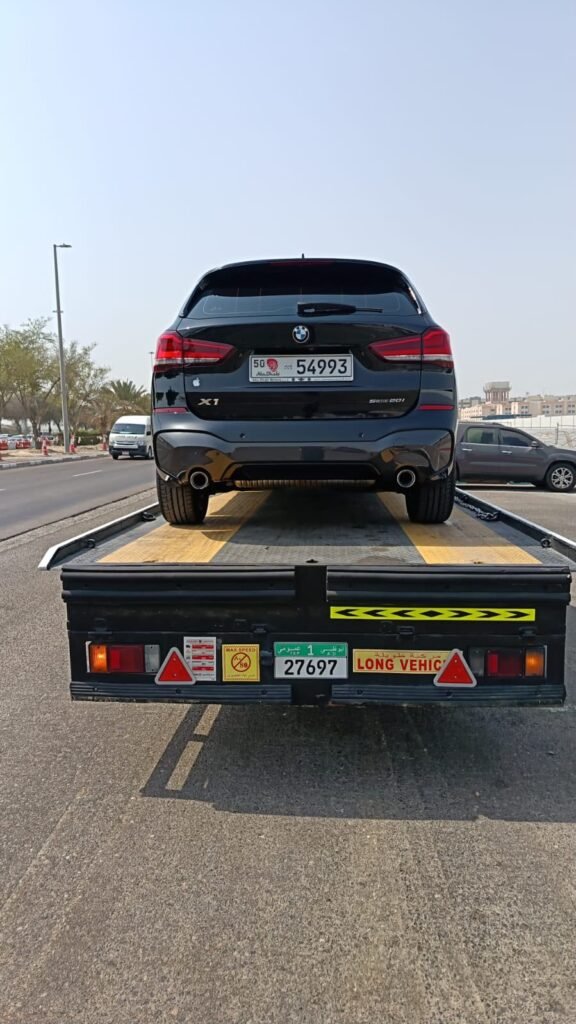
Help for Cars Stuck in Deep Desert Sand
Cars can become trapped when their tyres sink into loose or soft sand. This can happen when drivers stop on a sandy slope, travel through deep sand, or take an unsuitable route.
If your vehicle becomes stuck, avoid pressing the accelerator repeatedly. This may cause the tyres to spin and dig deeper into the sand. Instead, stop safely and arrange suitable recovery assistance. Desert King Recovery Company can discuss the recovery requirements based on your location and vehicle condition.
Recovery Support for 4×4 Vehicles and SUVs
Four-wheel-drive vehicles are designed for different road conditions, but they can still become stuck in deep desert sand. Heavy SUVs may sink because of their weight, while incorrect tyre pressure or driving techniques can also affect movement.
A suitable recovery method should consider the vehicle’s weight, ground clearance, drivetrain, and position. Whether you drive a Land Cruiser, Nissan Patrol, Jeep, or another 4×4, provide the exact model when requesting help.
Professional Equipment for Sand Recovery
Desert recovery often requires equipment designed for off-road conditions. Depending on the situation, suitable recovery equipment may include winches, recovery straps, rated shackles, and an appropriate recovery vehicle.
The equipment should be selected according to the vehicle’s weight and the difficulty of the terrain. In addition, recovery points and safety procedures must be checked before pulling begins. Using unsuitable equipment can create risks for both the vehicle and the people nearby.
Emergency Sand Recovery Al Khatim Abu Dhabi
A vehicle can become stuck in the desert without warning. When this happens, drivers may need assistance to remove the vehicle from deep sand or a difficult track. Providing accurate information can help the recovery provider assess the situation before dispatch.
Assistance for Vehicles Buried in Soft Sand
Soft sand can surround the tyres and lower part of a vehicle, making it difficult to move. Continuing to accelerate may cause the tyres to dig deeper and increase the difficulty of recovery.
When requesting assistance, explain how deeply the vehicle is stuck and whether all four wheels can move. If possible, share photographs of the vehicle and surrounding sand. This information can help the recovery team understand the conditions and consider a suitable extraction method.
Recovery for Cars Stuck on Desert Tracks
Desert tracks can contain loose sand, uneven ground, and hidden soft patches. A vehicle may become stuck while turning, climbing a sandy section, or travelling away from a firm surface.
In these situations, the recovery method should be chosen according to the vehicle’s position and access conditions. Share nearby landmarks and GPS coordinates so the recovery team can identify the correct location.
Support for Drivers Who Cannot Move Their Vehicles
If your vehicle cannot move forward or backward, avoid repeated attempts that may make it sink further. Keep passengers in a safe location and stay clear of recovery equipment.
Contact a suitable desert recovery provider and explain what happened. Mention whether the vehicle is tilted, buried, damaged, or positioned on a slope. Clear details can help the recovery team assess the job before arriving.
4×4 Sand Pull-Out Service Al Khatim Desert
Four-wheel-drive vehicles are commonly used for desert travel around Abu Dhabi. However, even powerful off-road vehicles can become trapped in deep or loose sand. A suitable sand pull-out service can help remove the vehicle using equipment and procedures that match its design.
Land Cruiser and Nissan Patrol Sand Recovery
Toyota Land Cruiser and Nissan Patrol vehicles are popular choices for desert driving. However, their size and weight can make recovery challenging when they become deeply stuck.
The recovery operator should check the vehicle’s recovery points, position, and condition before extraction. The correct equipment and pulling direction should also be selected. This helps reduce unnecessary stress on the vehicle’s frame and components.
Jeep and Other Off-Road Vehicle Recovery
Jeep models and other off-road vehicles may need assistance when they become trapped in soft sand or uneven desert terrain. Their recovery requirements can vary according to the model, weight, and available recovery points.
When requesting assistance, share the exact model and explain whether the vehicle has any visible damage. This allows the recovery provider to consider suitable equipment and a safe extraction method.
Safe Recovery for SUVs and Four-Wheel-Drive Vehicles
SUVs and 4×4 vehicles should be recovered with equipment suitable for their weight and drivetrain. The operator should also check the terrain before choosing the pulling direction.
If the vehicle is stuck at an angle or near a dune, additional care may be needed. A controlled recovery process can help reduce the risk of damage to the bumper, suspension, wheels, and underbody.
Sand Pull-Out Assistance for Deep Sand in Al Khatim
Deep sand can make vehicle extraction more difficult because the tyres may lose traction and the vehicle may settle lower into the ground. Therefore, the recovery method should be based on the depth of the sand, vehicle position, and available access.
Recovery for Vehicles Buried in Soft or Deep Sand
When a vehicle is buried in soft sand, the tyres may be unable to gain enough grip to move. In some cases, the sand around the tyres and underbody must be cleared before extraction.
The recovery team should assess how deeply the vehicle is stuck and whether the wheels can rotate freely. Depending on the situation, a suitable winch or recovery vehicle may be required.
Professional Winching for Stuck Desert Vehicles
Winching can help pull a vehicle out of deep sand when the correct equipment and recovery points are available. However, the winch must be suitable for the vehicle’s weight and the conditions at the recovery location.
Before pulling begins, the recovery operator should inspect the connection points and equipment. The area around the winch line should also be kept clear. This is important because a loaded recovery line can create serious safety risks if equipment fails.
Careful Vehicle Extraction from Difficult Terrain
A vehicle stuck on a sandy slope or uneven surface may require a carefully planned extraction. Pulling in the wrong direction can increase pressure on the tyres, suspension, or underbody.
The recovery operator should assess the terrain and choose a suitable pulling direction. If necessary, sand can be cleared from around the tyres to improve the extraction process. The vehicle should then be moved gradually and checked for possible damage.
Emergency Desert Recovery Al Khatim Abu Dhabi
Desert emergencies can happen far from main roads and populated areas. Therefore, sharing accurate location details is especially important when requesting help. A clear description of the problem can also help the recovery provider prepare for the journey.
Assistance for Unexpected Desert Driving Problems
Drivers may experience stuck tyres, mechanical faults, overheating, or other problems during desert trips. Sometimes, a vehicle becomes trapped after leaving a firm track or crossing a soft sandy area.
If this happens, stop safely and avoid unnecessary driving attempts. Check that everyone is safe, then contact a recovery provider. Explain whether the issue involves deep sand, a mechanical fault, or both.
Recovery Support for Vehicles Far from Main Roads
Some desert locations are difficult to reach because of soft sand, uneven ground, and limited access routes. As a result, recovery arrangements may depend on the distance from the nearest accessible road and the condition of the terrain.
Provide GPS coordinates rather than relying only on a general area name. Also, mention the nearest visible landmark and whether another vehicle can reach your location. This information helps the recovery team assess access requirements.
GPS Location Assistance for Remote Desert Recovery
Accurate GPS coordinates can make a major difference during remote desert recovery. A map pin or live location can help the recovery team identify where the vehicle is stuck.
Before sending your location, check that it points to the vehicle rather than a nearby road or meeting point. If mobile coverage is limited, share your coordinates and a nearby landmark when possible. Keep your phone charged and remain in a safe place while waiting.
Desert Recovery for Land Cruiser, Nissan Patrol, and Jeep
Different off-road vehicles have different recovery requirements. Their weight, design, drivetrain, and recovery points should be considered before any pulling or towing begins.
Toyota Land Cruiser Sand Pull-Out Service
A Toyota Land Cruiser may become stuck when its tyres lose traction in soft sand. This can happen on dunes, sandy tracks, or remote desert routes.
A suitable sand pull-out method should be selected according to the vehicle’s position and condition. The recovery operator should use approved recovery points and equipment with an appropriate capacity. This can help reduce unnecessary strain during extraction.
Nissan Patrol and Jeep Desert Recovery
Nissan Patrol and Jeep vehicles are often used for off-road travel, but they are not immune to deep sand. Their recovery needs may vary depending on the model, modifications, and amount of sand surrounding the tyres.
Before assistance is arranged, provide the vehicle model and explain how it became stuck. Also, mention whether the engine is running and whether the wheels can turn. These details can help determine the most suitable recovery approach.
Recovery Support for Pickups and Luxury SUVs
Pickups and luxury SUVs may require special consideration during desert recovery. Heavy pickups can settle deeply into loose sand, while luxury SUVs may have sensitive bodywork and electronic systems.
The recovery provider should assess the vehicle’s weight, ground clearance, and recovery points before choosing the equipment. For premium vehicles, careful positioning and controlled extraction are especially important.
Off-Road Recovery and Desert Towing Al Khatim
Not every desert recovery job ends with a simple sand pull-out. Sometimes, a vehicle has a mechanical problem or becomes damaged during off-road driving. In these cases, extraction may need to be followed by towing to a suitable workshop.
Recovery for Vehicles Stuck on Desert Tracks
A vehicle may become stuck on a desert track because of soft sand, uneven ground, or a sudden loss of traction. The recovery operator should first check the vehicle’s position and the surrounding terrain.
If the vehicle is close to a dune or difficult slope, the pulling direction should be planned carefully. Suitable equipment should then be used to move the vehicle towards firmer ground.
Towing Assistance After a Vehicle Breakdown
A mechanical problem can occur even when a vehicle is not stuck in sand. Engine failure, transmission faults, overheating, or damaged wheels may prevent the vehicle from continuing.
In such cases, roadside extraction alone may not solve the problem. The vehicle may need to be loaded onto a suitable recovery truck and transported to a repair workshop. Explain the mechanical symptoms when requesting assistance.
Vehicle Transportation After Sand Extraction
After a vehicle has been pulled out of deep sand, it may still require inspection. Sand can collect around the wheels, underbody, and other components. In addition, the vehicle may have suffered damage during the incident.
If the car is unsafe to drive, arrange towing to a suitable garage. The recovery provider should be informed about any warning lights, unusual sounds, or visible damage before transport is arranged.
Sand Pull-Out Assistance Near Al Khatim and Abu Dhabi Desert Areas
Drivers may need desert recovery assistance in different locations around Al Khatim and nearby Abu Dhabi desert areas. However, the exact pickup location and access conditions should always be confirmed before dispatch.
Sand Recovery Around Al Khatim Desert
Al Khatim is a desert area where drivers may travel for off-road activities and desert trips. Soft sand and uneven tracks can create challenges for vehicles, especially when drivers leave established routes.
If your vehicle becomes stuck around Al Khatim, share your GPS location and vehicle details. Also, explain the condition of the sand and how far the vehicle is from the nearest accessible road.
Desert Recovery Near the Abu Dhabi–Al Ain Road
Drivers travelling near the Abu Dhabi–Al Ain Road may explore nearby desert areas or use connecting routes. If a vehicle becomes stuck away from the main road, recovery access may depend on the exact location and terrain.
Provide a nearby landmark, road access point, and GPS coordinates when requesting help. Do not assume that a recovery truck can reach every sandy area without suitable preparation.
Recovery Assistance Around Al Wathba and Al Khaznah
Al Wathba and Al Khaznah are other areas where drivers may need assistance after off-road problems. A vehicle may become stuck in soft sand or develop a mechanical fault during a desert journey.
When arranging recovery, confirm the pickup location and describe the terrain. This helps the recovery provider assess the distance, access conditions, and equipment requirements before dispatch.
What to Do When Your Car Gets Stuck in Al Khatim Desert
Knowing what to do after getting stuck can help prevent the situation from becoming worse. Your safety should always come first, especially when travelling in remote desert areas.
Stop Spinning the Tyres to Avoid Getting More Stuck
Repeatedly accelerating when the tyres are trapped in sand can dig the vehicle deeper. Therefore, stop spinning the tyres once you realise the vehicle cannot move.
Avoid sudden movements and do not attempt risky recovery methods without suitable equipment. If the vehicle is unstable or positioned on a slope, keep people away from the pulling area and arrange suitable assistance.
Share Your Exact GPS Location with the Recovery Team
Your exact location is one of the most important details during desert recovery. Send a GPS pin or coordinates and check that the location is accurate.
Also, provide a nearby landmark and explain the route from the nearest accessible road. If possible, share a photograph of the surroundings to help the recovery team understand the terrain.
Explain Your Vehicle Type and Recovery Needs
Different vehicles need different recovery equipment. Therefore, provide the make, model, and type of your vehicle when requesting assistance.
Explain whether it is a 4×4, SUV, pickup, or standard car. Also, mention how deeply it is stuck, whether the tyres can rotate, and whether there is any mechanical or body damage. This information helps the recovery provider assess the job.
Sand Pull-Out Assistance Cost Al Khatim Desert
The cost of desert recovery depends on several factors. A vehicle stuck near an accessible track may require different arrangements from one buried deep in remote sand. Therefore, it is best to request a specific quote before the recovery vehicle is dispatched.
Factors That Affect Desert Recovery Prices
Several factors may affect the cost of sand pull-out assistance in Al Khatim:
- Distance between the recovery base and vehicle location.
- Distance from the nearest accessible road.
- Depth and condition of the surrounding sand.
- Vehicle size, weight, and type.
- Recovery equipment and winching requirements.
- Difficulty of access and time required for extraction.
- Whether towing is needed after the vehicle is pulled out.
Providing accurate details can help the provider estimate the work more clearly.
How Distance and Sand Conditions Affect Recovery
A vehicle stuck close to a main track may be easier to reach than one located far inside a remote desert area. Similarly, deep or loose sand can require more time and suitable equipment.
The recovery operator should assess the location and terrain before confirming the job. If the vehicle is deeply buried or positioned on a slope, explain this when requesting a quote.
Requesting a Recovery Quote Before Dispatch
Before confirming your booking, share your exact GPS location, vehicle details, and recovery requirements. Ask whether the quoted amount includes the journey to the vehicle, sand extraction, and any additional towing.
You should also confirm whether extra charges may apply if the terrain is more difficult than expected. Clear pricing discussions can help prevent misunderstandings during the recovery process.
Why Choose Desert King Recovery Company in Al Khatim?
Choosing a suitable recovery provider is important when your vehicle becomes stuck in the desert. The right equipment, clear communication, and careful planning can make the recovery process easier to manage.
Recovery Support for Different Vehicle Types
Desert recovery requirements can vary for standard cars, SUVs, 4x4s, pickups, and luxury vehicles. Therefore, the vehicle type should be explained before the recovery truck is dispatched.
Desert King Recovery Company can discuss the requirements for different vehicle types and help assess the suitable recovery arrangements, subject to service availability.
Suitable Equipment for Desert Sand Extraction
Sand extraction may require a suitable recovery vehicle, winch, recovery straps, and other equipment. However, each item must be selected according to the vehicle’s weight and the terrain.
Before extraction, recovery points and equipment should be checked. The pulling direction should also be planned to reduce unnecessary stress on the vehicle and improve safety.
Clear Communication About Location and Recovery Needs
Good communication helps the recovery provider understand the situation before arriving. Share your exact GPS location, vehicle model, depth of the sand, and any visible damage.
Also, confirm the estimated arrival time, recovery method, and agreed cost. These details help you understand what to expect before the service begins.
Frequently Asked Questions About Sand Pull-Out Assistance Al Khatim Desert
Can You Pull a Car Out of Deep Sand in Al Khatim?
A suitable recovery vehicle and winching equipment may be used to pull a car out of deep sand, depending on the terrain and vehicle condition. The recovery method should be selected according to the vehicle’s weight, position, and available recovery points. Share your GPS location and vehicle details so the recovery requirements can be assessed.
What Information Is Needed to Request Desert Recovery?
You should provide your exact GPS location, vehicle make and model, and a description of how the car became stuck. Also, explain whether the tyres are buried, whether the vehicle is tilted, and whether it has any mechanical damage. Photographs of the vehicle and surrounding terrain can also help.
Can a Vehicle Be Towed After Sand Pull-Out?
Yes, a vehicle may be transported after extraction if it cannot be driven safely or has suffered mechanical damage. A suitable recovery truck should be selected according to the vehicle’s condition and towing requirements. Before booking, confirm the destination and any additional transport charges.
How Long Does Desert Sand Recovery Take?
Recovery time depends on the distance, terrain, depth of the sand, vehicle condition, and equipment required. A vehicle near an accessible track may be easier to recover than one buried in a remote area. Ask the recovery provider for an estimated arrival time and recovery plan after sharing your location.
What Should I Avoid When My Vehicle Gets Stuck in Sand?
Avoid repeatedly spinning the tyres because this can make the vehicle sink deeper. Do not attach recovery straps to unsuitable parts of the vehicle or stand near a loaded recovery line. Instead, stop safely, keep people clear of the recovery area, and arrange assistance with suitable equipment.
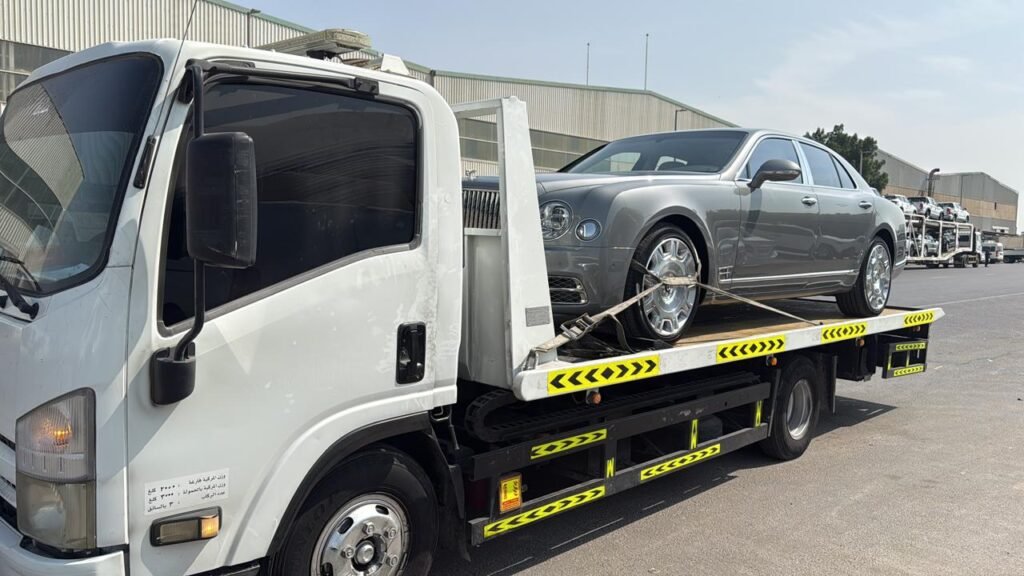
Book Sand Pull-Out Assistance Al Khatim Desert with Desert King Recovery Company
If your car, SUV, or 4×4 becomes stuck in Al Khatim Desert, suitable recovery assistance can help you arrange a safe extraction. Desert King Recovery Company can discuss sand pull-out and desert vehicle recovery requirements for different vehicle types, subject to service availability.
When requesting assistance, provide your exact GPS location, vehicle make and model, and a clear description of the situation. Explain how deeply the vehicle is stuck and whether it has any mechanical or visible damage. Then confirm the recovery method, estimated arrival time, and total cost before dispatch.
Whether you need help with a Toyota Land Cruiser, Nissan Patrol, Jeep, pickup, or luxury SUV, careful recovery planning is important. Avoid risky attempts to pull the vehicle out yourself and choose equipment suitable for the vehicle and terrain.